







4 - 7 September 2026
Prague | Czech Republic
O2 universum
O2 universum
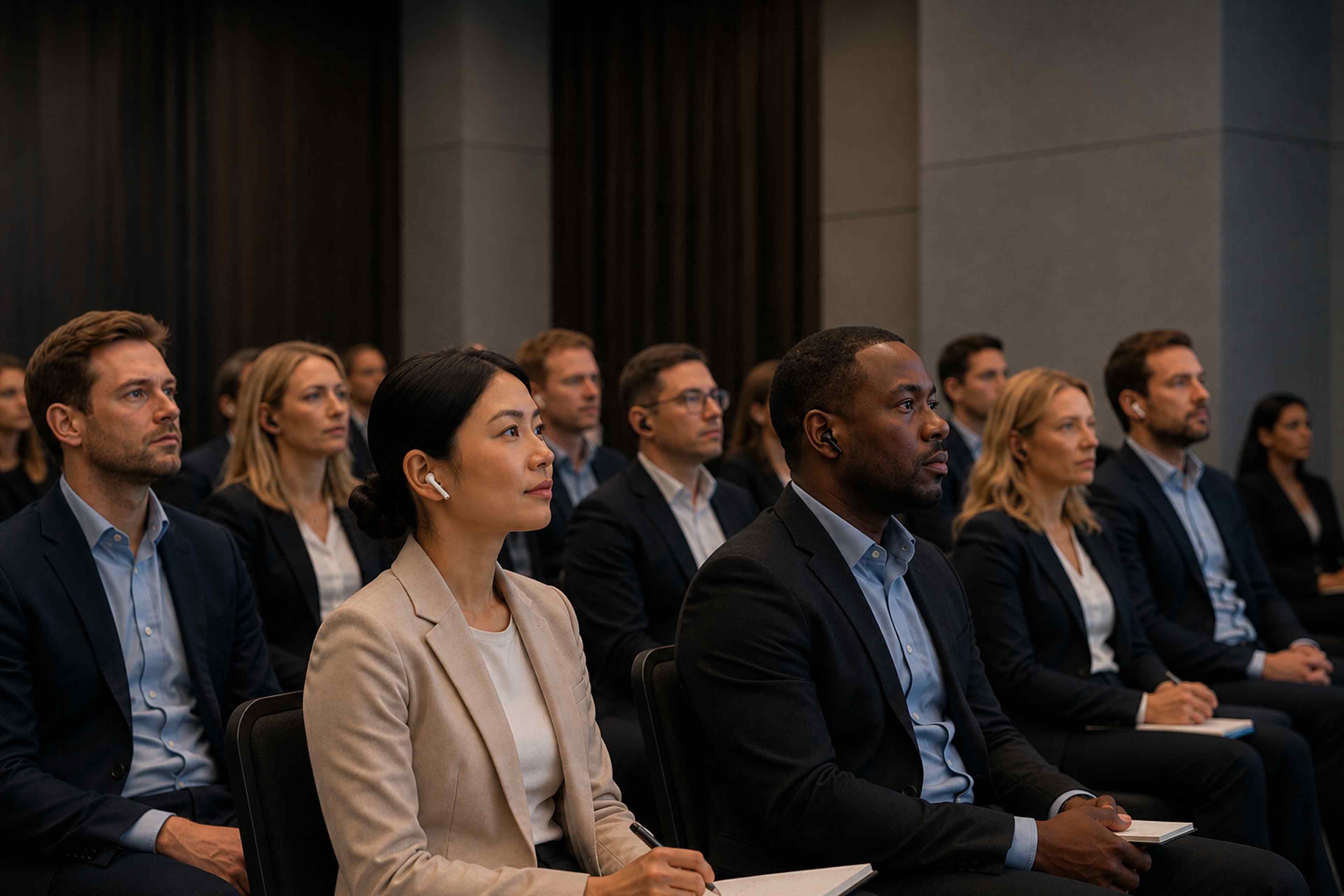
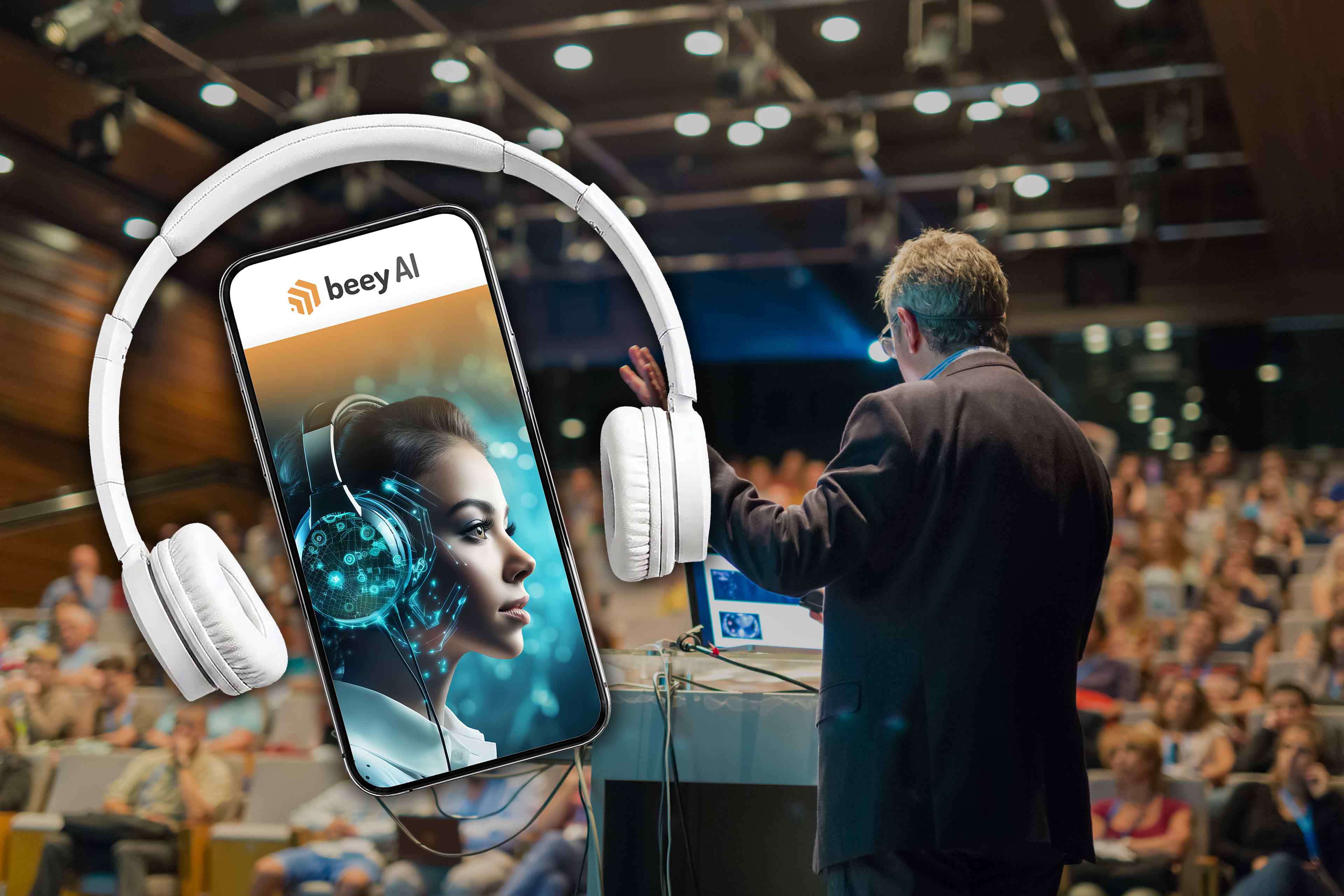
Scientific Programme translated with
AI into 16 languages
AI into 16 languages
Experience centuries of history.
Join the Gala Dinner at Prague Castle.
Join the Gala Dinner at Prague Castle.
Discover Tomorrow‘s Dentistry
in the Heart of Magical Prague
in the Heart of Magical Prague
Discover Tomorrow‘s Dentistry
in the Heart of Magical Prague
in the Heart of Magical Prague
Room: O2
Date: 4.9.2026
Timings: 09:00 - 10:50
ADA-CERP point: 1.75
Abstract:
Artificial Intelligence is moving from research into everyday dental practice, supporting clinicians in making faster and more precise diagnostic decisions. By recognizing patterns in radiographs and clinical data, AI tools can assist in the detection of caries, periapical and endodontic pathology, periodontal bone loss, and other conditions that challenge routine diagnosis. This symposium will provide a clinically oriented overview of AI in diagnostics, with a focus on radiology and periodontology. Attendees will gain insight into how AI can reduce diagnostic variability, improve early detection, and enhance patient communication at the chairside.
Learning Objectives of The Session:
1. Describe the current capabilities and limitations of artificial intelligence in dental diagnostics
2. Evaluate the application of AI technologies in oral radiology and periodontology
3. Assess the practical integration of AI tools into clinical workflows
Moderator: Falk Schwendicke
Biography: (TBC)
Speaker 1: Peter Fritz
Title: Artificial Intelligence in dentistry: foundations for ethical and efective practice
Abstract: While diagnostic AI enhances pattern detection, it falters precisely where dental training matters most: identifying dangerous outliers. This session explores how AI-powered tools can enhance diagnostic accuracy while preserving the clinical intuition and empathy that define expert care. We'll examine real-world uses in predictive, diagnostic, operational, professional and compassionate AI domains. We will focus on how AI complements, and when it complicates, clinical decision-making. Case studies highlight moments where AI strengthens confidence and where it challenges judgment. Attendees will gain frameworks for documenting AI influence in the patient record, supporting transparency, trust, and defensibility. We address how AI can reduce clinician bias while introducing new forms of algorithmic bias, and explore strategies for patient communication when AI findings diverge from human impression. Ultimately, diagnostic AI should not diminish the role of the dentist but should protect time for compassion and sharpen the human lens on patient care.
Learning Objectives
1. Identify diagnostic outliers where AI pattern recognition fails and clinical risk concentrates, applying the specialized training that dental education provides for recognizing atypical presentations and complex cases that fall outside standard algorithmic patterns and require expert clinical interpretation
2. Communicate AI diagnostic findings to patients effectively, explaining when technology supports clinical assessment while maintaining trust in professional expertise. Learn to discuss cases where AI and clinical judgment diverge, ensuring patients understand the role of both technology and human expertise in their care
3. Implement quality assurance protocols for AI diagnostics, including validation of AI findings against clinical judgment and documentation of diagnostic reasoning. Establish workflows that capture both AI contributions and clinical decision-making processes to ensure transparency, accountability, and defensible patient care records
4. Differentiate the five domains of AI in dentistry- Operational, Diagnostic, Predictive, Professional and Compassionate applications
Speaker 2: Antonin Tichy
Title: Demystifying Diagnostic AI in Dentistry: Making Informed Decisions
Abstract: Artificial intelligence (AI) is increasingly embedded in dental diagnostics, promising high accuracy across tasks such as the detection of caries or periapical radiolucencies. However, it can be difficult for clinicians to judge whether a tool is truly helpful or merely impressive on paper. This presentation will offer a practical, clinician-focused guide to understanding and evaluating diagnostic AI systems in dentistry. Through real-world examples, we will explore what “AI accuracy” actually means, why tools may perform well in some settings but not in others, and how clinicians can identify red flags in overly optimistic claims. Without delving into technical details, the presentation will provide clinicians with essential knowledge about diagnostic AI tools and equip them with key questions to ask when considering AI integration. The goal is to empower clinicians to make informed decisions about whether to trust and use diagnostic AI in daily practice.
Learning Objectives
1. Understand the role of diagnostic AI in common dental applications
2. Learn how to evaluate AI tools from a clinical perspective
3. Identify limitations and red flags in AI product claims
4. Build confidence in making informed decisions about diagnostic AI tools
Speaker 3: Sergio Uribe
Title: To Make Artificial Intelligence Work in Dentistry, First Fix the Data
Abstract: Artificial intelligence in dentistry faces a critical barrier: data quality, not algorithmic sophistication. Current dental systems optimize for billing, not clinical outcomes, creating datasets that predict insurance approvals but not treatment success. Our data is broken. We document for billing, not outcomes. We lack standards. Systems don't communicate. In this presentation, we will discuss how to evaluate data quality, understand why standardization must precede AI deployment, and recognize their role in building clinical intelligence infrastructure.
Learning Objectives
1. Identify critical data requirements for training clinically useful AI models in their practice
2. Audit their clinical records for completeness, accuracy, and outcome documentation
3. Implement documentation standards that enable them to develop their own custom AI solutions
Room: D3-4
Date: 4.9.2026
Timings: 15:30 - 17:20
ADA-CERP point: 1.75
Abstract:
Artificial Intelligence is rapidly transforming healthcare, research, and society at large. With its promise come pressing challenges around ethical responsibility, data governance, and safeguarding sensitive information. This symposium brings together three leading experts to explore the complex intersections of AI ethics and data security. The session will move from ethical frameworks to technical safeguards, and finally to practical methods of implementation. Participants will gain insights into regulatory landscapes, cutting-edge approaches to secure AI systems, and concrete tools for integrating ethics and security into everyday AI projects. By combining conceptual, technical, and applied perspectives, the symposium equips attendees to critically assess risks while advancing responsible innovation.
Learning Objectives of The Session:
1. Evaluate the ethical, legal, and societal challenges of AI implementation
2. Identify and apply key principles of AI data security and governance
3. Develop practical strategies for operationalizing ethics and security in AI projects
Moderator: Falk Schwendicke
Biography: (TBC)
Speaker 1: Maxime Ducret
Title: The Diversity of Artificial Intelligence in Dentistry: Toward more Sustainability?
Abstract: Artificial intelligence (AI) is transforming dentistry through advances in diagnostics, treatment planning, education, and administration. Despite its clear potential, the adoption of AI remains fragmented and uneven. The landscape of AI applications in dentistry spans diverse users, tasks, and contexts, which offers challenges (but also opportunities) for sustainable integration. This presentation critically examines the conditions necessary for long-term, responsible deployment of AI in dentistry, identifying some key barriers such as siloed innovation, ethical uncertainty, and unequal infrastructure. Without cohesive engagement across stakeholder groups and collective actions, such as curriculum development, development of ethical frameworks, and regulatory initiatives, sustainable AI implementation might remain in distance. Finally, it outlines strategic steps for leveraging the diversity of the profession as a driver for sustainability.
Learning Objectives
1. Participants will be able to map current AI applications, across diagnostics, treatment planning, education, and administration, and recognize how diverse users and contexts shape adoption
2. Participants will learn to identify and assess the impact of siloed innovation and unequal infrastructure on long-term deployment
3. Participants will be able to identify the collective actions necessary to drive the sustainable implementation of AI in dentistry
Speaker 2: Dominik Gross
Title: AI Ethics with special consideration of data security
Abstract: When talking about AI ethics, data security and endangered personal rights quickly come to mind. This short presentation addresses these issues, but also focuses on other ethical problems that arise from the perspective of (dental) patients, such as the misrepresentation of certain patient groups in the data, the sometimes inadequately verified quality standards of new AI applications, unequal access to these applications, the threat of deskilling among doctors, a loss of trust in the dentist-patient relationship as a result of the prominent integration of AI, and the diffusion of responsibility (issue of ultimate responsibility). These and other aspects will be discussed.
Learning Objectives
1. Data Security
2. Unequal access to AI applications
3. Diffusion of responsibility
Speaker 3: Kazunori Nozaki
Title: Standardizing Dental Patient Records: Current Discussions and Future Outlook
Abstract: As digital transformation advances across healthcare worldwide, dentistry faces challenges in ensuring that clinical information can be consistently recorded and shared across institutions and borders. Dental patient records remain heterogeneous, shaped by local regulations and clinical workflows, limiting their value for continuity of care and collaboration. This symposium focuses on ongoing discussions within ISO/TC 215 WG2 on internationally harmonized approaches to dental patient data, including emerging concepts such as an International Dental Patient Summary (IDPS). From a policy and standards perspective, the session explores why structured dental records are increasingly important and how alignment with broader health information standards can be considered while respecting national regulations and clinical diversity. Rather than presenting finalized standards or specific implementations, the symposium highlights the direction of current international standardization efforts and key considerations related to governance and interoperability, helping participants understand how these developments may influence everyday dental practice and international cooperation.
Learning Objectives
1. Understand why dental patient records are increasingly discussed as a policy and standards issue, and recognize the limitations of current heterogeneous dental records for continuity of care and cross-border collaboration
2. Recognize the goals and challenges of ongoing international discussions within ISO/TC 215 WG2, including emerging concepts such as harmonized dental patient summaries, and their relevance to diverse clinical and regulatory contexts
3. Appreciate how future harmonization of dental patient records may gradually influence everyday dental practice, professional responsibility, and international cooperation, without relying on specific systems or finalized implementations
Room: B2
Date: 4.9.2026
Timings: 15:30 - 17:20
ADA-CERP point: 1.75
Abstract:
This symposium focuses on advances in the diagnosis and management of medication-related osteonecrosis of the jaw (MRONJ), encompassing both current and innovative approaches.
The presentation by Jan Štembírek, entitled “Understanding Medication-Related Osteonecrosis of the Jaw: Guidelines for Prevention, Diagnosis, and Treatment,” addresses the current state of the art in the management of patients with MRONJ. In particular, it will provide up-to-date information on patient stratification, preoperative preparation, diagnosis, and treatment.
The presentation by Jakub Suchánek will cover unique research and its results concerning the prevention of MRONJ using rabbit models. Specifically, the study focuses on evaluating a medicinal product containing hyaluronic acid and octenidine for the secondary prevention of MRONJ. The results confirm the effectiveness of the tested product, which could significantly simplify established preventive procedures for dentists and, above all, improve the quality of life of patients at risk of developing MRONJ following oral surgical procedures. Therefore, this research has considerable translational potential for clinical practice.
The final presentation, entitled “Bacterial Genera of MRONJ-Affected Bone,” will be delivered by Dávid Száraz and focuses on the microbial aspects of MRONJ. It presents the results of a pilot study aimed at identifying bacteria present in necrotic bone using next-generation sequencing. The principal objective of the study is to improve our understanding of bacterial invasion of bone tissue and to identify the specific genera associated with MRONJ progression. This research provides new insights into the potential for targeted antibiotic therapy to enhance the secondary and tertiary prevention of MRONJ. The study demonstrates promising translational potential for clinical application.
Learning Objectives of The Session:
1. Evaluate the ethical, legal, and societal challenges of AI implementation
2. Identify and apply key principles of AI data security and governance
3. Develop practical strategies for operationalizing ethics and security in AI projects
Moderator: Jiří Šimek
Biography: (TBC)
Speaker 1: Jan Štembírek
Title: Understanding Medication-Related Osteonecrosis of the Jaw:Guidelines for Prevention, Diagnosis, and Treatment
Abstract: Medication-related osteonecrosis of the jaw (MRONJ) is a significant complication associated with the use of certain pharmacological agents, such as bisphosphonates and denosumab, which are commonly prescribed for osteoporosis or cancer management. Risk factors contributing to MRONJ include exposure to bisphosphonates, pre-existing dental disease, invasive dental procedures, patient age and sex, anatomical considerations, comorbid medical conditions, and genetic predispositions. Despite the well-established correlation between antiresorptive therapies and MRONJ, the underlying pathophysiological mechanisms remain unclear. Diligent dental evaluation and adherence to oral hygiene protocols are essential in reducing the likelihood of developing osteonecrosis of the jaw. Ideally, initiation of antiresorptive therapy should follow the completion of necessary dental interventions. So dentists play an integral role within the multidisciplinary healthcare team in the prevention of MRONJ. This lecture outlines the incidence and pathophysiology of MRONJ and provides comprehensive guidance for dental practitioners regarding screening, preventive measures, diagnosis and clinical management
Learning Objectives
1. Explain the issue of MRONJ for dentist
2. Show strategies for treating patients with antiresorptive therapy
Speaker 2: Jakub Suchánek
Title: A New Approach to MRONJ Prevention: From Experimental Model to Potential Clinical Use
Abstract: This lecture focuses on a novel approach to the prevention of medication-related osteonecrosis of the jaw (MRONJ), a serious complication associated with antiresorptive therapy. The presentation introduces a new local preparation combining hyaluronic acid and octenidine and discusses its potential role in improving preventive strategies in at-risk patients. Special attention is given to an in vivo experimental study conducted on an animal model, which evaluates the effect of this preparation when applied to extraction wounds. The lecture presents the study design, methodology, and key findings, while also addressing the challenges in correlating clinical, radiological, and histological outcomes. In addition to experimental data, the talk highlights the possible clinical implications of this approach and its relevance for everyday dental practice. The aim is to provide a comprehensive overview of current trends in MRONJ prevention and to stimulate discussion on future directions in both research and clinical management.
Learning Objectives
1. Evaluate the potential benefits of a novel preparation in preventing MRONJ
2. Assess the effectiveness of a hyaluronic acid-octenidine formulation in reducing MRONJ risk, focusing on its impact on wound healing, infection control, and overall improvement of post-extraction outcomes in at-risk patients
3. Understand the design and methodology of an in vivo animal model used for MRONJ research
4. Gain insight into the experimental setup, including drug administration, tooth extraction protocol, group design, and evaluation methods used to simulate MRONJ development and assess preventive interventions.
Speaker 3: Dávid Száraz
Title: Bacterial Genera of the MRONJ-Affected Bone
Abstract: Aim or Purpose: To evaluate the bacteriome profile of osteonecrotic bone in patients with MRONJ using NGS. Materials and methods: Swab samples and osteonecrotic bone from eleven patients with MRONJ were collected. Bone samples were cryopulverized in a cryomill. DNA was isolated from all samples as well as from six negative controls (NCs) and, subsequently, the bacteriome diversity and composition were analyzed using 16S rRNA amplicon sequencing. Results: High relative abundances (>20 %) of bacterial genera Parvimonas (45 % of patients), Tannerella (18 % of patients), Fusobacterium, Olsenella, Schaalia, Anaeroglobus, and Alloprevotella (9 % of patients each) were found at least in one osteonecrotic bone sample. In the paired comparison of the bacteriomes from the bone surface swabs and the bone, only genus Selenomonas was significantly more relatively abundant on the bone surface. The bacteriome composition of all samples significantly differed from the NCs. Conclusions: Several (facultatively) anaerobic bacteria that are known as potential pathogens were found at high relative abundances (> 20 %) in osteonecrotic bone samples, with Parvimonas being the most common one.
Learning Objectives
1. To identify the bacterial genera involved in MRONJ development
2. To evaluate whether bacterial composition differs between swabs taken from the surface of the bone and the cryopulverized bone
3. To establish a new research method in bacteriome investigation in MRONJ
Room: O2
Date: 5.9.2026
Timings: 09:00 - 10:50
ADA-CERP point: 1.75
Abstract:
Retaining natural teeth versus replacing them with implants requires calibrated judgment grounded in biology, biomechanics, and long-term risk. This symposium moves stepwise from defining prognostic markers for tooth preservation and the role of targeted antimicrobial therapy, through case-based criteria for selective extraction, to the scenarios in which implant therapy provides superior predictability and prosthetic stability. Attendees will leave with practical tools to balance periodontal recovery potential against implant advantages, translate diagnostic findings into individualized treatment plans, and determine when—and how—to shift from preservation to implant-supported rehabilitation.
Learning Objectives of The Session:
1. Assess prognostic factors for natural tooth retention versus extraction and replacement
2. Apply evidence-based criteria for selecting between conservative periodontal therapy, targeted antimicrobial strategies, selective extraction, and implant placement
3. Develop individualized treatment planning strategies that balance tooth preservation and implant rehabilitation
Moderator: Jan Streblov
Biography: Dr. Streblov received his degree in dentistry in 2003 from the First Medical Faculty Charles University, Prague. During his studies he spent two semesters at the University of Rostock, Germany. 2004 - 2010 he worked as a dentist in the Prague Dental Implant Centre focusing on interdisciplinary dental treatment. He translated several textbooks for Quintessence Publishing serving as key translator for a variety of international speakers. In 2010 he co-founded the 3DK Dental Clinic in Prague with Dr. Martin Tomeček. He received certificates in Periodontology (2009, Czech Dental Chamber) and Implantology (2010, DGI - German Society for Implantology). Since 2010 he has presented numerous lectures in the fields of periodontology, implantology, esthetics, interdisciplinary treatment, autotransplantation of teeth and healing of oral tissues on national and international level. In the years 2019 - 2020 Dr. Streblov had the honour to serve as the president of Czech Academy of Dental Esthetics.
Speaker 1: Howard Glückman
Title: Complex Hard and Soft Tissue Defects in the Anterior Maxilla
Abstract: This lecture addresses the management of complex hard and soft tissue defects in the anterior maxilla, encompassing strategies from preservation to full restoration. We will delve into the intricacies of bone grafting and soft tissue grafting, discussing the optimal sources and techniques for harvesting these grafts. Our discussion will include the latest advancements in Partial Extraction Therapy (PET) and the socket shield technique, highlighting their roles in preventing alveolar ridge collapse post-extraction. By exploring these methods, participants will gain a comprehensive understanding of how to effectively manage and rehabilitate challenging anterior maxillary defects, ultimately enhancing patient outcomes and maintaining long-term oral health.
Learning Objectives
1. Understand the biological and clinical factors that contribute to complex hard and soft tissue defects in the anterior maxilla, and evaluate preservation-to-restoration strategies for optimal long-term outcomes
2. Analyse and apply evidence-based techniques in bone and soft tissue grafting, including indications, harvesting methods, and decision-making for selecting appropriate graft sources in challenging anterior cases
3. Evaluate the role of Partial Extraction Therapy (PET) and the socket shield technique in maintaining ridge integrity, and integrate these approaches into treatment planning to prevent post-extraction collapse and improve aesthetic and functional results
Speaker 2: Niklaus Lang
Title: To maintain the teeth- a treatment planning guide
Abstract: This paper presents a case of a patient with severe periodontitis, demonstrating how targeted and antimicrobial therapy can preserve the natural dentition and simultaneously facilitate prosthetic rehabilitation. Only teeth with attachment loss to the apex, external root resorption, or caries in an affected furcation were extracted. As a result, the reconstruction could be achieved with a minimal number of implants—significantly more conservatively than would have been the case with a radical extraction strategy. The successful management of the periodontal condition was largely due to the patient's high compliance and the consistent implementation of a structured antimicrobial treatment concept. The documented course of treatment illustrates that even severely periodontally compromised teeth may be preserved long-term with competent therapy, enabling both functional and aesthetic rehabilitation.
Learning Objectives
1. To develop a pre- therapeutic prognosis
2. To follow a systematic treatment sequence after comprehensive treatment planning. Maintaining natural abutments over implants
3. To establish an individually optimal treatment plan for esthetic and function under healthy conditions: infection control
Speaker 3: Syngcuk Kim
Title: Contemporary Endodontic Therapy and Microsurgery: Preserving Natural Dentition in Complex Cases
Abstract: Contemporary endodontic therapy, combined with advanced endodontic microsurgery, has undergone significant evolution through the integration of three-dimensional (3D) file systems, operating microscopes, cone-beam computed tomography (CBCT), and bioceramic materials. These innovations have markedly improved treatment predictability and clinical outcomes. Current evidence and clinical experience indicate that success rates exceeding 90% can be achieved in retaining natural dentition—even in cases presenting with periapical lesions—provided that the tooth demonstrates minimal mobility (≤ Grade I) and absence of periodontal pocketing. This presentation will focus on the biological and clinical principles that support the preservation of natural teeth that might otherwise be deemed non-restorable or “condemned."
Learning Objectives
1. Identify the advanced instruments and biomaterials essential for modern endodontic and microsurgical success
2. Critically evaluate whether extraction and implant placement offer superior outcomes compared to preservation of natural dentition
3. Analyze the underlying reasons for the increasing prevalence of dental implants despite the high success rates of tooth retention through endodontic therapy
Room: E1
Date: 5.9.2026
Timings: 15:30 - 17:20
ADA-CERP point: 1.75
Abstract:
Temporomandibular disorders (TMD) and orofacial pain demand evidence-based diagnosis and coordinated care. This symposium moves stepwise from diagnostic frameworks and conservative management through imaging-driven phenotyping to surgical decision-making and outcomes. Attendees will leave with practical tools to differentiate TMD from other orofacial pain conditions, apply diagnostic findings to patient-specific care plans, and understand when—and how—to escalate to minimally invasive or reconstructive procedures.
Learning Objectives of The Session:
1. Differentiate temporomandibular disorders from other orofacial pain conditions
2. Interpret imaging and clinical findings to support phenotype-guided management of TMD
3. Develop patient-centered treatment pathways for TMD and orofacial pain
Moderator: Vladimir Machoň
Biography: (TBC)
Speaker 1: Kai Yuan Fu
Title: Risk of TMD in Oral Implant and Prosthetic Treatment
Abstract: Temporomandibular disorders (TMD) are prevalent in the general population, with a significant proportion of patients exhibiting no symptoms or signs. However, dental treatments may induce TMD symptoms and signs, and improper management could lead to doctor-patient disputes. This presentation analyzes and discusses several typical cases to explore how to assess and avoid the risk of TMD in oral implant and prosthetic treatments.
Learning Objectives
1. What are the TMD risks in oral implant and prosthetic treatment?
2. How to assess TMD risks?
3. How to avoid TMD risks?
Speaker 2: David Psutka
Title: TMD and Orofacial Pain: From diagnostic Triage to Imaging Based Phenotyping and Surgical Pathways
Abstract: This will deal with evidence based indications for TMJ surgery including injections for masticatory myalgia and neuropathic pain, intra-articular injections (steroid, hyaluronic acid, platelet rich growth factors) arthrocentesis, arthroscopic surgery, open joint surgery and total joint replacement. Also reference to concomitant orthognathic surgery when indicated. Evidences based outcomes complication and revision surgery to be discussed.
Learning Objectives
1. To understand: indications for TMJ surgery
2. Types of TMJ surgery
3. Evidence based outcomes
4. Complications and revision surgery
Room: O2
Date: 6.9.2026
Timings: 09:00 - 10:50
ADA-CERP point: 1.75
Abstract:
Vital pulp therapy has transitioned from niche to mainstream, offering a biologically grounded, minimally invasive alternative to root canal treatment—especially in deep caries management. This symposium moves stepwise: first, the histological reality of inflamed pulps and their healing potential; second, rigorously defined clinical protocols for partial/full pulpotomy in immature and mature permanent teeth; and third, the restorative-periodontal decisions that determine long-term success. Attendees will leave with an evidence-based algorithm that links diagnosis, haemostasis endpoints, material choices, and a robust coronal seal to predictable outcomes.
Learning Objectives of The Session:
1. Explain the biological and histological principles underlying vital pulp therapy
2. Apply evidence-based clinical protocols for vital pulp therapy
3. Evaluate restorative and long-term management factors that influence vital pulp therapy success
Moderator: Daniel Černý
Biography: Daniel Cerny (*1974) has received his dental degree at the Charles University, Medical School in Hradec Kralove (1998). Doctorate degree earned at Palacky University in Olomouc in 2018 with the topic of adhesive aesthetic reconstruction. Previously an assistant professor at Charles University, Medical School in Hradec Kralove (1998-2007). Private practice in Hradec Kralove limited to endodontics and adhesive dentistry since 2001. Immediate Past President of the Czech Endodontic Association (CES) 2015-2023. Member of the Scientific Board of the Czech Dental Chamber. (since 2022) Co-founder and the first president of Czech Academy of Dental Esthetics (CADE) (2007-2009). Editorial board member of LKS journal (Czech Dental Chamber Journal) (2009-2013). International Member of AAE. Author/co-author of 36 articles in dental journals. Co-author of 4 book chapters. Lectures widely internationally on topics of endodontics and adhesive restorations with special focus on endo-restorations.
Speaker 1: Talal Al-Nahlawi
Title: The best root canal filing material ever; Vital Pulp Therapy
Abstract: The introduction of biomaterials in endodontics and the improvements happened, as well as proper understanding of inflamed dental pulp stage and related symptoms allowed for more vital pulp tissue preservation inside treated carious tooth minimizing the need for more tooth structure removal comparing with the traditional root canal treatment, the issue that will provide better circumstances for longer service duration of affected tooth inside oral cavity. The aim of this presentation is to highlight a series of 4 clinical cases of vital pulp therapy starting from a typical open apex management case till more complicated cases and management with long recalls.
Learning Objectives
1. Describe the conditions when we can preserve the dental pulp instead of performing pulpectomy
2. Describe how to perform partial pulpotomy
3. Describe how to perform full pulpotomy
4. Describe when to perform selective Vital Pulp Therapy
5. Describe follow up protocol and decide when the treatment is successful or not
Speaker 2: Alexis Gaudin
Title: From haemostasis to a hermetic seal
Abstract: Vital pulp therapy (VPT) aims to preserve pulpal vitality by controlling inflammation and providing conditions conducive to healing and long-term function. Beyond case selection and diagnosis, effective haemostasis and proper management of the pulp wound are key determinants of success, particularly when Hydraulic calcium silicate-based materials are used. This presentation focuses on the sequence from haemostasis to hermetic sealing in VPT, addressing the role of irrigants, haemostatic agents, and the timing of bioceramic placement. The effects of commonly used irrigants and haemostatic strategies on blood control, pulp tissue compatibility, and dentin surface characteristics are reviewed. Particular attention is given to the influence of residual bleeding on the setting reaction, adaptation, and sealing ability of bioceramics, as well as to the clinical relevance of immediate versus delayed placement. Practical, evidence-based guidance is provided to enhance the predictability of VPT outcomes.
Learning Objectives
1. Understanding the biological importance of haemostasis in vital pulp therapy: Rapid and controlled haemostasis is not merely a technical step but a biological indicator of pulp health and healing potential. Prolonged or uncontrolled bleeding may suggest irreversible inflammation and is associated with poorer outcomes
2. Identifying appropriate irrigants and haemostatic agents for VPT: A range of irrigants and haemostatic agents are used during VPT, each with distinct biological and chemical properties. A clear understanding of these agents enables clinicians to select protocols that balance bleeding control, biological compatibility, and material performance
3. Determine the optimal timing for bioceramic placement following haemostasis: The timing of bioceramic placement is critical to achieving a stable hermetic seal. Placement onto a bleeding surface or in the presence of residual blood proteins can alter the hydration, setting reaction, and mechanical properties of calcium silicate-based materials. Conversely, excessive delay or overly aggressive drying may compromise pulp vitality
Speaker 3: Domenico Ricucci
Title: Biologically Driven Pulpotomy: From Histologic Infection Patterns to Clinical Decision-Making
Abstract: After outlining the histologic and histobacteriologic events that lead to the formation of an initial focal area of pulpal necrosis following bacterial penetration, the subsequent progression of tissue degeneration is analyzed. Based on the position of the advancing infectious front, a biologically driven treatment protocol is proposed. The clinical management consists of the stepwise excision of diseased and infected pulp tissue, followed by meticulous evaluation of the exposed wound surface after achievement of hemostasis. Completion of the pulpotomy is indicated when the wound appears homogeneous and uniformly blood-filled, without yellowish or brownish discolorations suggestive of liquefaction or coagulative necrosis. The exposed pulp tissue is then sealed with a bioceramic material to promote healing and hard tissue formation. The clinical and histologic outcomes of this approach are discussed in detail, together with an analysis of the biological and technical factors associated with treatment failure.
Learning Objectives
1. Understand the histologic and histobacteriologic progression of pulpal infection, from initial bacterial penetration to the formation and expansion of focal necrosis
2. Identify clinical criteria for biologically guided pulpotomy, including assessment of the infection front, stepwise pulp tissue removal, and interpretation of wound appearance after hemostasis
3. Evaluate the biological rationale, clinical outcomes, and causes of failure in vital pulp therapy, with particular emphasis on the role of bioceramic materials in promoting healing and regeneration
Room: E1
Date: 6.9.2026
Timings: 15:30 - 17:20
ADA-CERP point: 1.75
Title: Keeping Clinical Decisions in Dentists' Hands
Abstract:
Clinical excellence without financial resilience can become an ethical risk. Dentistry is delivered in a highly fragmented and intensely competitive market, where similar services compete for the same patients and clinical quality alone does not guarantee a viable practice. When dentists lack financial, leadership and communication skills, even outstanding clinicians may become vulnerable to short-term decisions, external ownership or commercial pressure that can compromise professional autonomy and patient interests. This symposium examines how dentists can build resilient, ethical and patient-centred practices through strategy, finance, marketing, team leadership and innovation. It compares independent practices, group models and corporate platforms, asking how the profession can benefit from professional management and investment without surrendering clinical decision-making. Business competence should not place commerce above care; it should protect good care. The goal is to help dentists remain capable owners, responsible leaders and strong partners rather than employees in systems whose commercial priorities they do not control.
Learning Objectives of The Session:
1. Identify the financial, organizational and market pressures that can threaten professional autonomy and patient-centred clinical decision-making
2. Apply practical principles of strategy, finance, ethical marketing, team leadership and innovation to build a resilient dental practice
3. Compare independent, group and corporate practice models and develop governance safeguards that keep clinical priorities under professional control
Speaker 1: Bob Khanna
Biography: Professor Bob Khanna is an internationally recognised clinician, educator and pioneer in facial aesthetics, aesthetic medicine and advanced dentistry. Since qualifying in 1992, he has developed an acclaimed career combining advanced cosmetic and oral surgery with facial aesthetics. For more than 30 years, he has been at the forefront of developing innovative full-face treatment concepts using botulinum toxin, dermal fillers, platelet-rich plasma, regenerative therapies and thread lifting. Professor Khanna is Clinical Director of the Dr BK Clinic and founder of the Dr Bob Khanna Training Institute, where more than 70,000 doctors, dentists and surgeons from around the world have been trained in his techniques. More than 35% of his patients are fellow healthcare professionals, earning him an international reputation as “the doctors' choice” for their own treatments.
Title: Expanding the Modern Dental Practice: Integrating Facial Aesthetics and Longevity Medicine
Abstract: Dentistry is evolving into a broader platform for facial aesthetics, longevity and wellness, creating significant opportunities for sustainable business growth. This lecture explores how dental practices can strategically introduce complementary services while protecting clinical standards, brand reputation and patient trust. Delegates will learn how to assess market demand, structure treatment pathways, develop team capabilities, create effective patient journeys and communicate new services responsibly. The session will also examine pricing, investment, compliance, marketing and long-term positioning. By integrating oral health, facial aesthetics and biological optimisation, dental businesses can diversify revenue, strengthen patient retention and build resilient, future-focused clinical organisations for lasting commercial success Drawing on over three decades of clinical and educational experience, Professor Bob Khanna will present a strategic framework for incorporating minimally invasive facial aesthetic procedures alongside emerging longevity-focused therapies such as regenerative injectables and metabolic optimisation.
Learning Objectives
1. Identify key opportunities to integrate aesthetic and regenerative treatments into dental practice safely and ethically
2. Recognise how facial aesthetics can enhance both functional outcomes and patient satisfaction
3. Develop strategies to position and communicate these services effectively within a dental business model
4. Appreciate the commercial benefits of diversification while maintaining clinical integrity and regulatory compliance
Speaker 2: James Chow
Biography: Dr. James Chow received his dental and medical degree from Hong Kong University in 1988 and 1998 and completed his specialist training in Oral and Maxillofacial surgery in Hong Kong in 1995. He is the Honorary Clinical Associate Professor at Hong Kong University and Shanghai Jiao-tong University. Dr. Chow is the founder of BRÅNEMARK OSSEOINTEGRATION CENTERS in Hong Klng and Shanghai. Dr. Chow has expertise in immediate implant loading, Zygomatic implant surgery, computer-assisted implant surgery, and robotic surgery. He lectures nationally and internationally and has published over 30 articles on relevant topics in peer review.
Speaker 3: Fred Joyal
Biography: Fred Joyal is a bestselling author, international keynote speaker and business advisor. He co-founded the most successful dentist referral service in the US, 1-800-DENTIST, which, in aggregate, generated over $1 billion in revenue while he was CEO. His latest book, Superbold: from Under-confident to Charismatic in 90 Days, is a Wall Street Journal and Amazon bestseller. He has been a keynote speaker for 15 years, delivering entertaining, impactful and practical presentations to audiences as large as 5,000. His two previous books, Everything is Marketing: The Ultimate Strategy for Dental Practice Growth and Becoming Remarkable: How to Create a Dental Practice Everyone Talks About, are regarded as the marketing bibles of the industry. He currently advises companies on growth, culture and strategy, along with fundraising and investor guidance. His humble brags are he once beat Sir Richard Branson in chess. He is an avid cyclist, a below-average tennis player, and an even worse golfer.
Learning Objectives
1. Participants will understand how to integrate digital tools, reputation management, and experiential marketing to generate more positive reviews, increase treatment acceptance, and organically grow the practice through patient referrals
2. Participants will learn how to strategically plan and execute a patient experience model, from digital touchpoints to in-office interactions, that enhances trust, reduces anxiety, and elevates perceived value at every stage of the patient journey
3. Attendees will learn the essential mindset that the entire team needs in order to create a remarkable experience for each patient, and how practice culture starts at the top and determines how well the plan is executed daily
Room: E1
Date: 7.9.2026
Timings: 09:00 - 10:50
ADA-CERP point: 1.75
Title: Scope, Safety and Interdisciplinary Responsibility
Abstract:
Opportunity in aesthetics without clearly defined competence can become a patient-safety risk. In settings where prevention reduces untreated caries and its complications, patients and clinicians increasingly turn to elective aesthetic care. For dentists, perioral and facial procedures may represent a logical extension of practice and additional income, but they also introduce anatomical, medical, ethical and legal risks. Dentists' education, legal status and permitted scope vary across jurisdictions; expertise in oral anatomy does not automatically confer competence for every facial intervention. This symposium examines which procedures can reasonably fall within dental practice, where training and regulatory boundaries should be drawn, and when referral or shared care is essential. Through clinical, surgical and regulatory perspectives, the session addresses patient selection, informed consent, complication prevention and management, and collaboration with dermatology, plastic surgery, maxillofacial surgery and other disciplines. The aim is safe, proportionate and patient-centred treatment—not expansion of scope for its own sake.
Learning Objectives of The Session:
1. Differentiate aesthetic procedures that may fall within dental competence from interventions requiring additional training, referral or shared care, while accounting for differences between jurisdictions
2. Evaluate patient selection, informed consent, anatomical risk and systems for preventing and managing complications in perioral and facial aesthetics
3. Design interdisciplinary care pathways with dermatology, plastic surgery, maxillofacial surgery and other relevant specialties to optimize patient safety and treatment outcome
Speaker 1: Monika Kavková
Biography: Monika Kavkova M.D. An internationally recognized certified expert in aesthetic, anti-aging and regenerative medicine. Owner and leading doctor at BE ELITE CLINIC, Prague. Owner, founder and scientific board president of Prague LAB (Aesthetic Dialogue international symposium). Trainer at the Institute of Postgraduate Medical Education (IPVZ) at the Ministry of Health of the Czech Republic. Owner, founder and trainer of educational platform in aesthetics KAVKOVA ACADEMY. Trainer and speaker for numerous companies, including Merz Aesthetics, Allergan, Vivacy, Aptos, Rejuran, Ipsen and many others. Member of many aesthetic medicine associations and associations for education in this field.
Title: Perioral Aesthetics for Dentists: What We Can Do Safely
Abstract: This lecture outlines safe non-surgical approaches to perioral rejuvenation relevant to dental practice, including dermal fillers, botulinum toxin, and biostimulatory treatments. Emphasis will be placed on patient assessment, anatomical considerations, and the role of combination therapy in improving volume, muscle balance, and skin quality. Focus will be given to safety principles, appropriate patient selection, and achieving natural results while preserving functional integrity of the perioral region.
Learning Objectives
1. Understand age-related anatomical and functional changes in the perioral region relevant to aesthetic treatment planning
2. Identify safe indications for the use of dermal fillers, botulinum toxin, and biostimulatory treatments in dental practice
3. Recognize the benefits of combination therapy in improving volume, muscle balance, and skin quality
4. Integrate minimally invasive aesthetic procedures into comprehensive smile design in a predictable manner
Speaker 2: Ondřej Měšťák
Biography: Assoc Prof. Ondřej Měšťák, M.D. Ph.D, graduate of Charles University in Prague, is a plastic surgeon specialized in breast aesthetic and reconstructive surgery and rhinoplasty. In addition to his practice in aesthetic and reconstructive surgery, he is also involved in research and teaching at Charles University in Prague, where he holds the position of Deputy Head of Education and an associate professor. Among received awards for his clinical and scientific work are those from the American Society of Plastic Surgery (ASPS) or the International Society of Aesthetic Plastic Surgery (ISAPS). He is a scientific secretary of the Czech Society for Aesthetic and Laser Medicine, a treasurer of the Czech Society of Plastic Surgery and a member of the editorial board of a number of professional journals. He acts as a KOL for several medical corporations and has published more than 50 publications in peer-reviewed journals.
Title: Lips and Perioral Rejuvenation: A Plastic Surgery Perspective
Abstract: The lips are among the most expressive and aesthetically important structures of the face. Their volume, contour, projection and movement influence facial harmony, attractiveness and perceived age, making the perioral region one of the most demanding areas in aesthetic plastic surgery. This lecture presents a contemporary plastic surgery perspective on lip aesthetics. It reviews clinically relevant anatomy, aesthetic lip proportions, age-related changes and the principles of individualised assessment and treatment planning. Surgical and non-surgical options will be compared with particular attention to indication, limitations, safety and preservation of natural expression and oral function. Special emphasis will be placed on lip lift, surgical contour enhancement and the broader concept of perioral rejuvenation. The lecture will demonstrate how anatomical precision, careful patient selection and aesthetic restraint guide the choice between surgical and non-surgical treatment. The objective is to achieve refined, natural and patient-specific outcomes without compromising facial expression or function.
Learning Objectives
1. Describe the key anatomical features and aesthetic proportions of the lips and perioral region relevant to plastic surgery assessment and treatment planning
2. Recognise age-related changes of the lips and surrounding tissues and incorporate them into an individualised treatment plan
3. Differentiate the indications, limitations and safety considerations of surgical and non-surgical approaches to lip enhancement and perioral rejuvenation
Speaker 3: Marek Szewczyński
Biography: Marek Szewczyński is a Polish lawyer and legal advisor associated with the Supreme Medical Chamber (NIL). He specializes in issues related to: Recognition of professional qualifications: He is a key expert at the NIL Center for the Recognition of Qualifications, where he deals with diploma recognition procedures and the conditions for the recognition of medical specializations obtained abroad. International Cooperation: He operates within the NIL Center for International Cooperation, representing the Polish medical self-government in contacts with international organizations and in EU systems (e.g., the IMI system). Professional Liability: He advises on internal regulations and proceedings conducted by professional liability attorneys. He frequently appears as an expert in industry media (e.g., "Gazeta Lekarska," infoDENT24) and conducts information sessions for medical students and graduates on career paths and the legal requirements of practicing the profession.
Title: Selected legal and ethical aspects of aesthetic dentistry
Abstract: The presentation will focus on certain legal and ethical aspects related to aesthetic dentistry which should be taken into consideration by dentists who intend to perform aethetic procedures - in line with the applicable national / regional laws and regulations. In particular attention will focus on issues like the required professional qualifications, the scope of ethical and legal responsibility of dentists (does it differ from the resposibility in case of "conventional" dentistry), process of obtaining proper patient's consent - e.g. avoiding unrealistic expectations.
Learning Objectives
1. Be aware of the legal and ethical differences which may apply in the given juridiction between aesthetic and "conventional" dental procedures
2. Be able to properly obtain patient's informed consent for aesthetic procedures
3. Be in a position to discourage the patient to undergo a given easthetic procedure
Room: E1
Date: 7.9.2026
Timings: 15:30 - 17:20
ADA-CERP point: 1.75
Abstract:
3D imaging has transformed orthodontics and orthognathic surgery. This symposium spans CBCT indications and incidental findings, imaging-guided orthodontic mechanics, and 3D planning for orthognathic surgery. Participants will learn when CBCT is justified, how to systematically interpret volumes, and how radiology improves biomechanics and surgical outcomes.
Learning Objectives of The Session:
1. Apply evidence-based principles for the appropriate use and interpretation of CBCT in orthodontics and orthognathic surgery
2. Evaluate the role of 3D imaging in guiding orthodontic biomechanics and treatment planning
3. Integrate virtual surgical planning and interdisciplinary collaboration in orthognathic treatment
Moderator: Barbara Hrabovská
Speaker 1: Ingrid Różyło-Kalinowska
Title: Beyond the Smile: Incidental Findings That Could Change Your Treatment Plan
Abstract: Diagnostic imaging has become an indispensable tool in orthodontics, providing detailed insights into the complex anatomical structures of the craniofacial region. Out of many different imaging modalities it is the Cone-Beam Computed Tomography (CBCT) which is more and more applied. It not only presents morphology and allows diagnosing of abnormalities, but is also integrated with intraoral scanning provides simulation of treatment outcomes. Beyond enabling precise assessment of dental and skeletal discrepancies, radiological examinations often reveal incidental findings - unexpected pathologies or anomalies—that can significantly influence treatment planning and patient management. The aim of the lecture is to present incidental findings not related to dental abnormalities that can lead to changes in treatment plans. The following findings will be discussed: airway, cervical vertebrae, soft tissue calcifications and sella turcica. Recognizing the importance of thorough interpretation of diagnostic imaging studies in orthodontics is essential for comprehensive patient care and for avoiding potential overlooked health issues.
Learning Objectives
1. To learn imaging findings related to soft tissue calcifications in CBCT in dental practice
2. To understand the importance of incidental findings which may lead to changes in dental treatment plan
3. To learn which incidental findings may reveal diseases that will require medical attention and postponing of dental treatment
Speaker 2: Suliman Shahin
Title: Virtual Surgical Planning: Integrating Clear Aligner Therapy and Surgery in the CBCT Era
Abstract: Virtual surgical planning has transformed the interdisciplinary management of orthodontic and orthognathic cases, particularly when combined with clear aligner therapy. This presentation focuses on the integration of CBCT-based imaging into digital orthodontic-surgical workflows to enhance diagnostic accuracy, treatment coordination, and outcome predictability. Key topics include CBCT-driven facial and skeletal analysis, digital setup validation, aligner-based presurgical decompensation, and surgical simulation. The role of CBCT in facilitating communication between orthodontists, surgeons, and radiologists will be highlighted, emphasizing precision in planning and execution. Clinical cases will demonstrate how virtual planning improves soft- and hard-tissue outcome prediction, reduces treatment inefficiencies, and supports patient-centered decision-making. Limitations, sources of error, and practical challenges in real-world implementation will also be discussed, providing attendees with a realistic and clinically applicable framework for interdisciplinary virtual planning in the CBCT era.
Learning Objectives
1. Understand the role of CBCT in virtual surgical planning for combined clear aligner and orthognathic treatments
2. Learn how to integrate orthodontic digital setups with surgical simulation to improve interdisciplinary coordination
3. Identify clinical benefits, limitations, and potential sources of error in CBCT-based virtual surgical workflows
Speaker 3: Carlos Villegas
Title: Proportional condylectomy: An alternative to orthognathic surgery without orthognathic surgery
Abstract: The management of facial asymmetries has been a challenge for pediatric dentists in childhood and for orthodontists in adolescence. Therefore when early correction is not successful orthognathic surgery is required in most cases. Proportional condylectomy is a treatment alternative that, when combined with orthodontic treatment using skeletal anchorage (TADS), has proven effective for the successful correction of asymmetry. The scientific evidence and patient management with this treatment alternative will be presented.
Learning Objectives
1. Learn to identify cases that could benefit from this treatment option
2. Understand the conservative management of facial asymmetry step by step using skeletal anchorage
3. Consider this treatment alternative at an early age to avoid overtreatment of patients




© 2026 | Operator: GUARANT International spol. s r.o. | E-mail: guarant@guarant.cz | Powered by APPTIDE
Českomoravská 19, 190 00 Prague 9, Czech Republic
Reg. No.: 45245401 | VAT No.: CZ45245401 | Recorded in the Commercial Register, file No. 7144.